3D Bioprinting and Guided Bone Regeneration: Pushing the Boundaries of Implantology
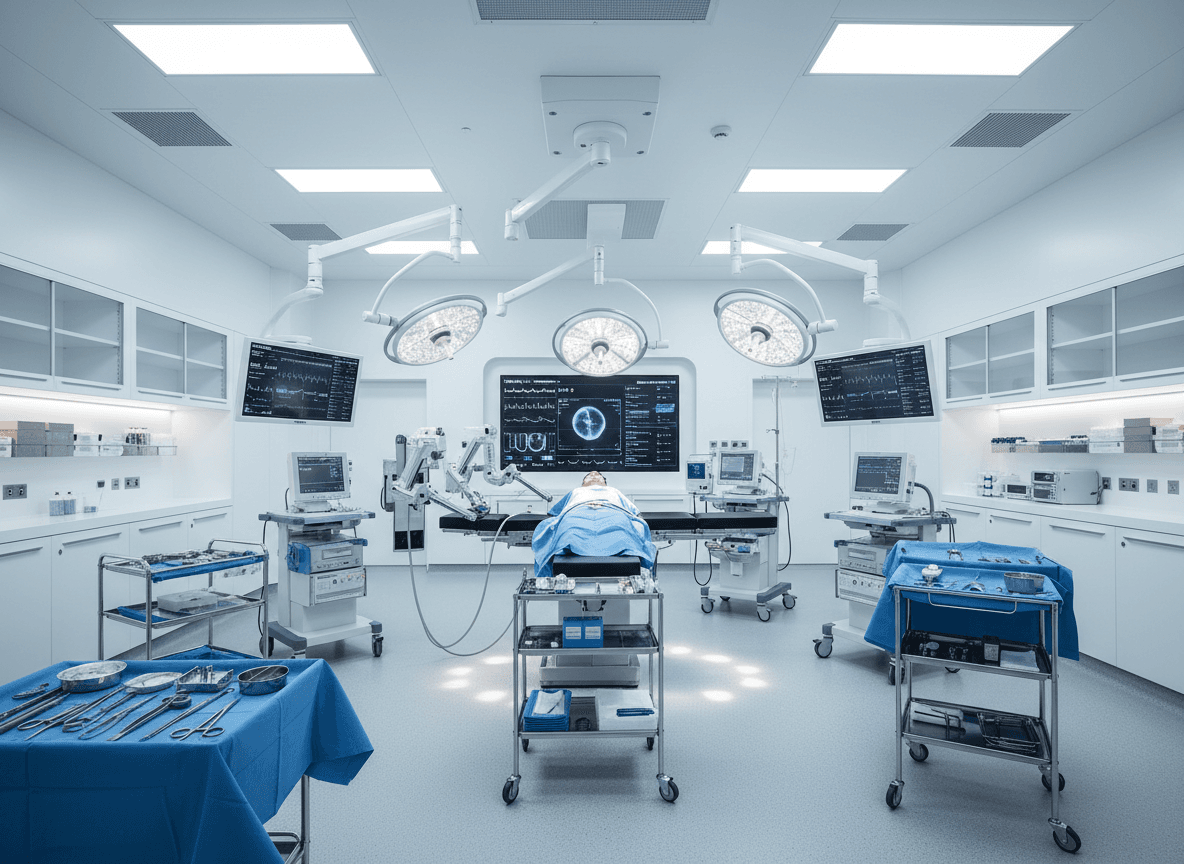
Printing a custom bone scaffold loaded with mesenchymal stem cells and growth factors, then inserting it into a peri-implant bone defect to induce complete regeneration in 12 weeks — this is the horizon outlined by the most recent publications in dental bioengineering.
Printing a custom bone scaffold loaded with mesenchymal stem cells and growth factors, and inserting it into a peri-implant bone defect to induce complete regeneration in 12 weeks — this is the horizon outlined by the most recent publications in dental bioengineering. 3D bioprinting, or additive biofabrication, is redefining the possibilities of guided bone regeneration (GBR) and guided tissue regeneration (GTR) in implantology and periodontology.
1. Printed Bone Scaffolds: What Are They?
A printed bone scaffold is a biocompatible three-dimensional porous structure whose geometry, porosity and composition are precisely controlled by digital design and the printing process. Unlike conventional bone substitutes (deproteinised bovine bone type Bio-Oss, synthetic hydroxyapatite) whose shape is standard, a printed scaffold is custom-fabricated from the patient's CBCT — adapting exactly to the volume and morphology of the bone defect to be regenerated. Materials used include biphasic hydroxyapatite (HA), beta-tricalcium phosphate (β-TCP), HA/collagen composites, and biodegradable polymers (PLGA, PCL) used alone or in combination.
2. Cellularised Bioprinting: Loading the Scaffold with Living Cells
The most exciting frontier of dental bioprinting is the biofabrication of cellularised scaffolds — printed structures containing living cells (mesenchymal stem cells, osteoblasts, periodontal ligament cells) and encapsulated growth factors (BMP-2, BMP-7, PDGF-BB) within a biocompatible hydrogel. A study published in Biomaterials (2024) demonstrated that an HA/PLGA scaffold cellularised with mesenchymal stem cells and loaded with BMP-2 induced alveolar bone regeneration of 87% of the lost volume at 16 weeks in a canine model of peri-implant bone defect — versus 52% for a conventional autologous graft.
| Approach | Bone volume regenerated (16 weeks) | Mechanical strength | Vascularisation | Regulatory status |
|---|---|---|---|---|
| Autologous bone graft (gold standard) | 68 ± 12% | ★★★★☆ | ★★★★☆ | Validated — standard of care |
| Xenograft substitute (Bio-Oss) | 54 ± 9% | ★★★☆☆ | ★★★☆☆ | CE/FDA validated |
| Printed HA/β-TCP scaffold (acellular) | 71 ± 8% | ★★★★☆ | ★★★☆☆ | CE marking obtained (Cerhum, Be) |
| PLGA scaffold + BMP-2 (acellular) | 79 ± 7% | ★★★☆☆ | ★★★★☆ | Phase II clinical trial (2024) |
| Cellularised scaffold + BMP-2 (bioprinted) | 87 ± 5% | ★★★★★ | ★★★★★ | Advanced preclinical research |
3. Periodontal Regeneration: What if We Could Recreate the Ligament?
One of the most ambitious challenges in dental bioengineering is the complete regeneration of the periodontal unit — not just the alveolar bone, but the entire tooth-ligament-bone complex (root cementum, periodontal ligament, alveolar bone). An American-Japanese research consortium (USC + Tokyo Medical University) published in Nature Biomedical Engineering (2023) the first proof of concept of a triphasic bioprinted scaffold capable of simultaneously regenerating all three periodontal tissues in a murine model. The collagen fibres of the neo-ligament thus regenerated displayed orientation and insertion into the neo-cementum comparable to that of a native periodontium — a result considered revolutionary by the scientific community.
4. Clinical Horizons: When Will This Be Available in Daily Practice?
Custom-printed HA/β-TCP acellular scaffolds are already commercially available in Europe — the Belgian company Cerhum has been marketing its MyBone® product with CE marking since 2022. Cellularised scaffolds and in situ bioprinting approaches (printing directly into the surgical site using a robotic bioprinter) are in Phase I and II clinical trials, with regulatory approval horizons estimated between 2027 and 2032 depending on the agency. Regenerative dentistry will very likely be the major therapeutic revolution of the 2025–2035 decade — and practitioners who anticipate it today will gain a decisive competitive and clinical advantage.
Editorial note
This article is written for scientific and professional monitoring purposes. The studies cited are drawn from peer-reviewed publications. Infinity Aligner does not endorse the results of third-party studies and recommends that professionals consult the original publications for any clinical application.
Infinity Aligner — Scientific team
Technology watch & dental literature review
More analyses
Mar 2026
Photobiomodulation (LLLT) and Bone Healing in Implantology: Clinical Evidence, Dosimetry Protocols and 2024 Post-surgical Applications
Mar 2026
Osteodensification and Bone Condensation in Implantology: Versah Technique, Condensation Osteotomes and Bone Quality Improvement Protocols in D3–D4 Bone
Mar 2026
Peri-Implantitis: Diagnosis, Implant Surface Decontamination and Surgical Bone Regeneration — Evidence-Based Protocols 2024
Integrate innovation into your practice
Join the Infinity Aligner network and access the most advanced digital tools for your patients.
Become a partner