Osteodensification and Bone Condensation in Implantology: Versah Technique, Condensation Osteotomes and Bone Quality Improvement Protocols in D3–D4 Bone
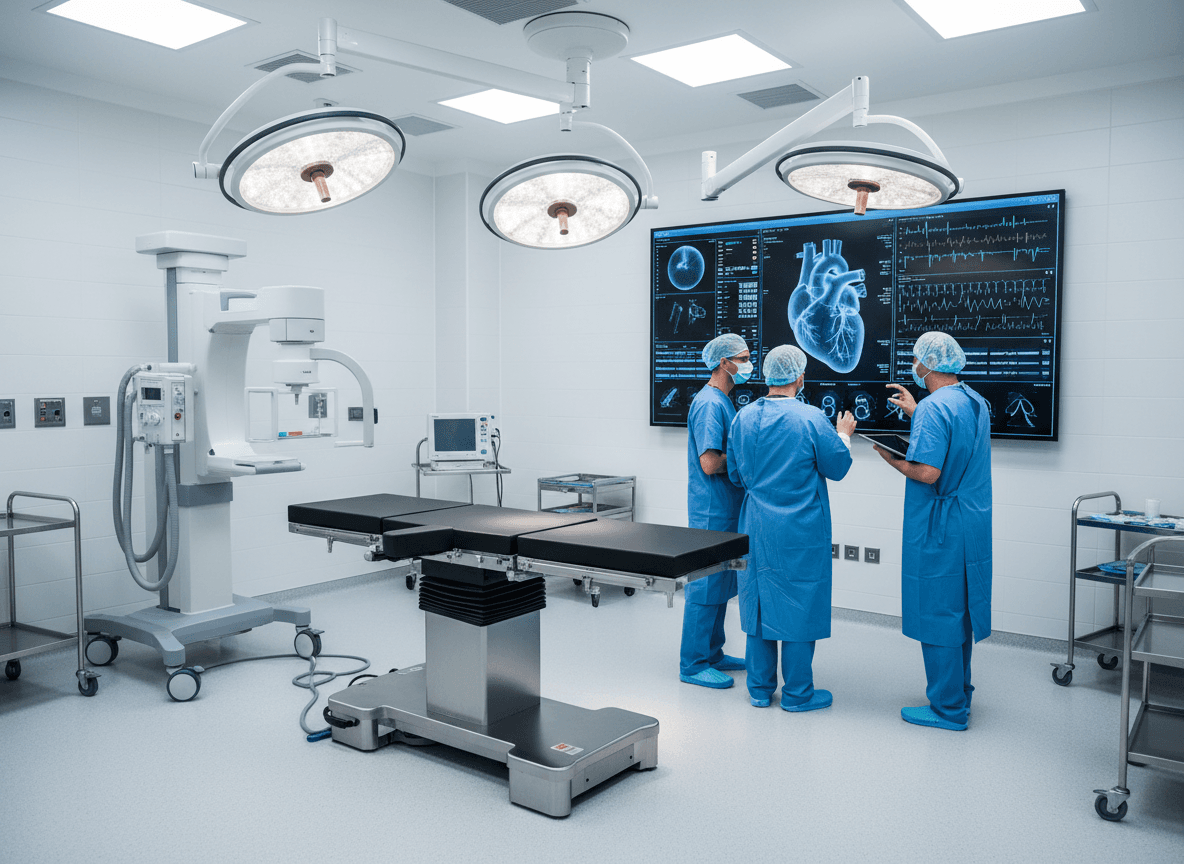
D3 and D4 bone (Lekholm & Zarb) represents the main risk factor for primary stability loss and early implant failure. Osteodensification with Versah burs (reverse rotation) and osteotome condensation can transform a D4 site into a D2–D3 site favourable for immediate loading.
Bone quality is the most important predictive factor for primary stability and implant osseointegration, far beyond implant surface or design. The Lekholm & Zarb classification (1985) — D1 (dense cortical bone), D2 (dense cortical + coarse cancellous), D3 (thin cortical + fine cancellous), D4 (virtually absent cortical + very fine cancellous) — remains the universal clinical reference. In the posterior maxillary sector, bone is predominantly D3 or D4, with Hounsfield density of 350–600 HU (vs 850–1,500 HU in the anterior mandible). This low density typically leads to insertion torques of 10–25 N·cm — insufficient for immediate loading (criterion ≥ 35 N·cm) and associated with 3–4× higher primary failure risk vs D1–D2.
1. Osteodensification with Versah® Burs (CCW Reverse Rotation)
Osteodensification (OD) is a technique for implant osteotomy preparation by reverse rotation of burs (counter-clockwise, CCW — instead of conventional clockwise CW cutting direction). Developed by Salah Huwais (patent 2013) and commercialised by Versah LLC, this approach rests on an elegant physical principle: OD burs with special geometry (edges oriented opposite to working direction) do not cut bone but radially condense it towards the osteotomy walls, compressing cancellous bone, expelling medullary content and creating a denser osteotomic wall. Measured effect: ISQ (Implant Stability Quotient) increase of 8–14 units on average compared to conventional preparation in D3–D4 bone, with insertion torques increased by 40–80% in published series (Huwais & Meyer, IJOMI 2024 — meta-analysis 19 studies).
| Preparation protocol | Mean ISQ (D3–D4) | Mean torque (D3–D4) | 1-year survival rate | Elective indication |
|---|---|---|---|---|
| Standard conventional drilling | 62 ± 8 | 18 ± 6 N·cm | 95.2% | D1–D2 bone |
| Versah® osteodensification (CCW) | 74 ± 6 | 32 ± 8 N·cm | 97.8% | D3–D4 bone, immediate loading |
| Osteotome condensation (Summers) | 68 ± 7 | 24 ± 6 N·cm | 96.1% | Moderate D3, crestal sinus lift |
| OD + simultaneous crestal sinus lift | 71 ± 5 | 28 ± 7 N·cm | 97.2% | D3–D4 + height ≥ 5 mm |
2. Lateral Condensation with Summers Osteotomes: Technique and Indications
Summers condensation osteotomes (conical set from 2 to 5 mm diameter) allow lateral compression of cancellous bone at the osteotomy site by controlled percussion, increasing peripheral site density. Their use in maxillary D3 bone improves primary stability by 25–35% vs conventional drilling (Testori et al., Clinical Oral Implants Research, 2023). The technique is particularly indicated for small-diameter implants (3.0–3.3 mm) placed in narrow sites (mandibular incisor zone, reduced interproximal space), where bone condensation compensates for reduced anchorage due to small implant diameter. Absolute precaution: mandatory hearing protection for the patient during percussion (risk of shock wave transmission to the ossicular chain).
3. Immediate Loading Protocol in D3–D4 Bone After Osteodensification
- Pre-operative planning: CBCT assessment of bone density (Hounsfield Units < 500 HU → systematic OD protocol), choice of implant with aggressive geometry (Morse taper or aggressive threading Straumann BLX, Nobel Active) maximising cortical anchorage
- Versah® OD drilling protocol: conventional pilot drill Ø 2.0 mm → CCW OD sequence Ø 2.0 → 2.8 → 3.8 → adapted to target implant diameter (undersized by 0.3–0.5 mm vs implant)
- Post-OD immediate loading criteria: final torque ≥ 35 N·cm AND ISQ ≥ 65 (Osstell Beacon) — if not achieved, delayed healing protocol (3 months) mandatory
- Provisional prosthesis: out-of-occlusion for first 3 months, lightweight PMMA material, no occlusal contact in maximum intercuspation
- Resonance frequency monitoring (ISQ) at D0, 6 weeks, 3 months: ISQ progression of ≥ 5 units at 6 weeks = favourable re-ossification signal
4. Limitations and Contraindications
Osteodensification is not universally applicable. It is contraindicated in D1 bone (dense anterior mandibular cortical bone): the lack of plastic deformability of dense cortical bone can lead to thermal necrosis or cortical fracture by over-compression. It is also not recommended for strict guided surgery (tooth-mucosal surgical guide): radial compression by reverse rotation modifies the final osteotomy diameter unpredictably, creating a mismatch between the planned guide and the actual site. Its use requires specific training in Versah® sequences and precise understanding of compression osteotomy biomechanics.
Versah bur osteodensification represents a real and documented advance for managing poor-quality bone in maxillary implantology. It does not replace bone grafting in severe atrophies, but transforms D3–D4 sites into viable candidates for immediate loading in expert hands.
— Huwais S. & Meyer EG, International Journal of Oral & Maxillofacial Implants, 2024
Editorial note
This article is written for scientific and professional monitoring purposes. The studies cited are drawn from peer-reviewed publications. Infinity Aligner does not endorse the results of third-party studies and recommends that professionals consult the original publications for any clinical application.
Infinity Aligner — Scientific team
Technology watch & dental literature review
More analyses
Mar 2026
Photobiomodulation (LLLT) and Bone Healing in Implantology: Clinical Evidence, Dosimetry Protocols and 2024 Post-surgical Applications
Mar 2026
Peri-Implantitis: Diagnosis, Implant Surface Decontamination and Surgical Bone Regeneration — Evidence-Based Protocols 2024
Mar 2026
Vertical Bone Augmentation in Implantology: Titanium Mesh (TiMesh), Alveolar Distraction Osteogenesis and Reinforced Membrane — Advanced Techniques, Learning Curves and Compared Results
Integrate innovation into your practice
Join the Infinity Aligner network and access the most advanced digital tools for your patients.
Become a partner