High-Resolution CBCT and AI: The New Era of Precision Implant Planning
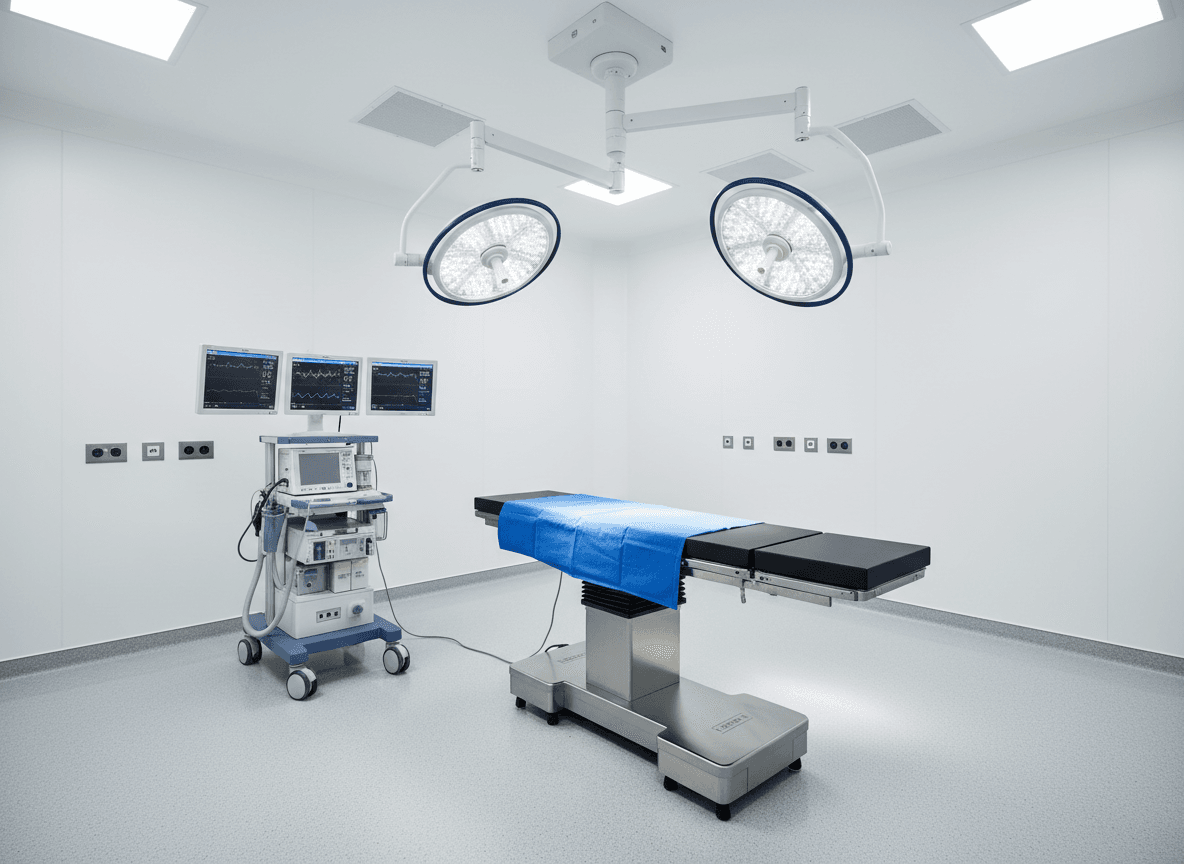
Next-generation cone beam computed tomography (CBCT), combined with AI-driven automatic segmentation algorithms, now enables implant planning with a positioning margin of error below 0.5 mm — radically transforming surgical safety.
Next-generation cone beam computed tomography (CBCT), combined with AI-driven automatic segmentation algorithms, now enables implant planning with a positioning margin of error below 0.5 mm — a level of precision that radically transforms surgical safety and paves the way for fully computer-guided implantology protocols. This convergence of high-resolution volumetric imaging and AI constitutes the most impactful advance of the decade in implant surgery.
1. Next-Generation CBCT: Sub-voxel Resolution and Optimised Dose
The latest generation CBCT units (2023–2024) achieve isotropic resolutions of 75 to 100 µm (cubic voxel), enabling visualisation of anatomical structures previously imperceptible on earlier-generation devices: fine bony trabeculation, exact cortical plate thickness, precise morphology of the mandibular canal and sinus membrane junction. Simultaneously, advances in adaptive noise reconstruction (MARC — Metal Artifact Reduction Algorithm, DoseWise, etc.) have enabled a reduction in delivered radiation dose of 40 to 60% compared to 2015-era devices, while maintaining or improving diagnostic quality.
2. AI-Powered Automatic Segmentation: A Gain in Time and Precision
CBCT segmentation — the identification and delineation of different anatomical structures (bone, teeth, inferior alveolar nerve, sinus) — was until recently a time-consuming manual task (30 to 90 minutes per case). Deep learning algorithms (U-Net, nnU-Net architecture) are now capable of performing this segmentation automatically in 2 to 5 minutes, with precision comparable to that of an expert radiologist for implant-relevant structures. A multicentre validation published in the Journal of Dental Research (2024) on 1,340 CBCTs confirms an inter-observer agreement (human operator vs AI) of 0.91 (Dice coefficient) for segmentation of the mandibular canal — a critical structure for mandibular implant planning.
3. Static and Dynamic Guided Surgery: What Is the Real-World Accuracy?
The complete digital chain CBCT → software planning → printed surgical guide → guided implant placement is now solidly documented in the literature. A 2024 meta-analysis (Vercruyssen et al., Clin Oral Implants Res, n = 4,821 implants) documents the following mean positioning errors:
| Surgery type | Angular error (°) | Apical error (mm) | Entry error (mm) |
|---|---|---|---|
| Freehand surgery (no guide) | 5.2 ± 2.8 | 1.22 ± 0.76 | 0.98 ± 0.59 |
| Static bone-and-mucosa guide | 2.1 ± 1.2 | 0.58 ± 0.31 | 0.42 ± 0.24 |
| Static tooth-supported guide | 1.8 ± 0.9 | 0.47 ± 0.22 | 0.38 ± 0.19 |
| Dynamic navigation (IGS) | 1.4 ± 0.7 | 0.36 ± 0.18 | 0.31 ± 0.16 |
| Implant robotics (Yomi, Neocis) | 0.9 ± 0.4 | 0.21 ± 0.11 | 0.19 ± 0.09 |
4. Implant Robotics: The 2025 Horizon
The Yomi system (Neocis, USA) — the first FDA-approved implant guidance robot (2019) — represents the culmination of this evolution towards maximum precision. It is a haptic system that guides the surgeon's arm in real time, physically preventing deviation from the planned placement trajectory beyond 0.2° angular and 0.3 mm linear. The 3-year clinical results published in 2024 (Journal of Oral Implantology) show an implant survival rate of 99.2% — significantly higher than the 96.8% of conventional guided surgery. In Tunisia, the first dynamic navigation system installations (not yet robotic) are planned at the Tunis and Sfax university hospitals for 2025–2026.
Editorial note
This article is written for scientific and professional monitoring purposes. The studies cited are drawn from peer-reviewed publications. Infinity Aligner does not endorse the results of third-party studies and recommends that professionals consult the original publications for any clinical application.
Infinity Aligner — Scientific team
Technology watch & dental literature review
More analyses
Mar 2026
Photobiomodulation (LLLT) and Bone Healing in Implantology: Clinical Evidence, Dosimetry Protocols and 2024 Post-surgical Applications
Mar 2026
Osteodensification and Bone Condensation in Implantology: Versah Technique, Condensation Osteotomes and Bone Quality Improvement Protocols in D3–D4 Bone
Mar 2026
Peri-Implantitis: Diagnosis, Implant Surface Decontamination and Surgical Bone Regeneration — Evidence-Based Protocols 2024
Integrate innovation into your practice
Join the Infinity Aligner network and access the most advanced digital tools for your patients.
Become a partner