Growth Factors in Bone and Periodontal Surgery: PRF, CGF, BMP-2 and PDGF-BB — Clinical Evidence and Application Protocols for the Implant Surgeon
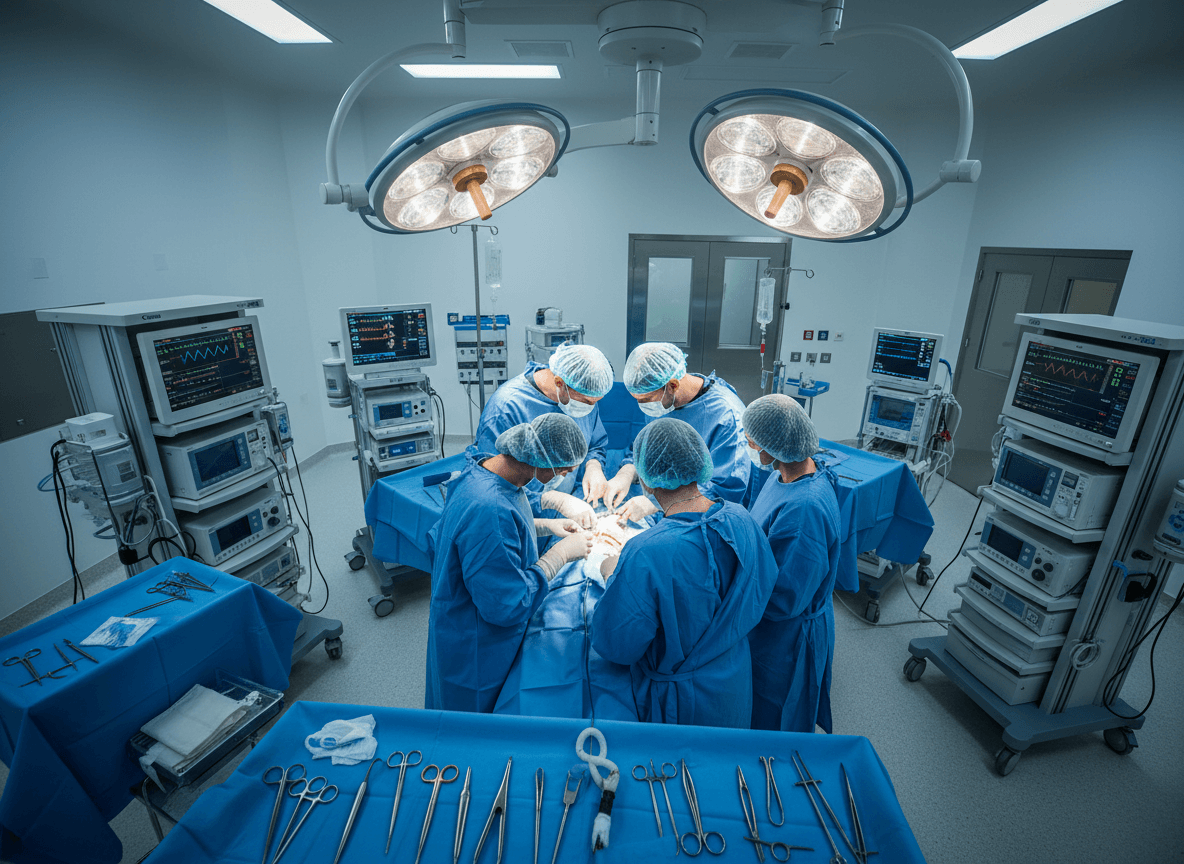
Choukroun's autologous PRF, InFuse® recombinant BMP-2 and GEM21S PDGF-BB represent three distinct families of bone biostimulants with radically different evidence levels and modes of action. A complete overview for the implant surgeon.
The biology of bone healing is orchestrated by a precise molecular cascade: PDGF (platelet-derived growth factor) initiates cell recruitment, TGF-β1 and BMP-2 orchestrate osteoblastic differentiation, VEGF ensures vascularisation, and IGF-1 stimulates extracellular matrix synthesis. The idea of concentrating or exogenously supplementing these mediators to accelerate and improve bone regeneration has led to the development of a family of bone biostimulants with distinct mechanisms of action, variable evidence levels, but with constantly growing clinical adoption. The meta-analysis by Miron et al. (Journal of Dental Research, 2024, 89 RCTs included) provides the reference framework for this review.
1. Choukroun PRF (Platelet-Rich Fibrin): The Autologous Revolution
PRF (Platelet-Rich Fibrin) is a second-generation autologous platelet and leukocyte concentrate developed by Joseph Choukroun (Nice, 2001). Obtained by centrifugation of the patient's whole blood (10 mL venous blood → 1 PRF membrane) without chemical additives (anticoagulants or exogenous thrombin), it presents as a three-dimensional fibrin membrane enriched in platelets (4–8× concentration vs. whole blood), leukocytes (lymphocytes, neutrophils) and growth factors released progressively over 7–14 days: PDGF-AB (7.8 ng/mL), TGF-β1 (462 pg/mL), VEGF (154 pg/mL), IGF-1 (288 ng/mL). The Choukroun centrifugation protocol (2700 rpm × 12 minutes — A-PRF centrifuge) has been optimised to maximise leukocyte viability and PDGF concentration. PRF membranes can be used alone (post-extraction sockets, post-wisdom tooth extractions) or as a complement to a filling biomaterial (PRF + Bio-Oss® mix).
| PRF protocol | Speed | Duration | Result | Preferred application |
|---|---|---|---|---|
| Classic PRF (L-PRF) | 2700 rpm | 12 min | Dense compact membrane | Socket protection, GBR |
| A-PRF (Advanced-PRF) | 1500 rpm | 14 min | Flexible leukocyte-enriched membrane | Sinus augmentation, periodontology |
| i-PRF (injectable) | 700 rpm | 3 min | Injectable liquid | Mixing with xenograft, TMJ intra-articular injection |
| CGF (Concentrated Growth Factors) | Variable (550–2700 rpm) | 12 min | Dense fibrin + VEGF + | Implantology, periodontal surgery |
2. Recombinant BMP-2 (rhBMP-2 / InFuse®): Power and Controversy
rhBMP-2 (recombinant human Bone Morphogenetic Protein-2 — InFuse® Bone Graft, Medtronic) is the most powerful bone biostimulant available in approved clinical use. A TGF-β superfamily protein, BMP-2 is the only growth factor capable of de novo induction of undifferentiated mesenchymal stem cell differentiation into mature osteoblasts — an absolute osteoinductive property. In implantology, rhBMP-2 is FDA-approved for lateral sinus floor elevation (specific protocol: absorbable collagen sponge ACS saturated at 1.5 mg/mL rhBMP-2 + titanium cage) and for post-extraction socket regeneration. Results are remarkable: bone formation in 4–6 weeks vs 12–16 weeks for standard xenograft. However, off-label use of rhBMP-2 at high doses has been associated with serious complications: early osteolysis (paradoxical bone resorption in the first 4 weeks), severe post-operative oedema, and — in spinal surgery — carcinogenicity signals that led the EMA to issue a warning (2012, still in force). In 2024, its use in dental surgery remains indicated but must scrupulously follow validated dosages and indications.
3. Recombinant PDGF-BB (GEM21S®): The Periodontal Choice
GEM21S® (BioMimetic Therapeutics) combines rhPDGF-BB (recombinant human Platelet-Derived Growth Factor-BB, 0.3 mg/mL) with an osteoconductive β-TCP substrate. It is the only FDA-approved bone biostimulant specifically for treatment of infrabony periodontal bone defects and associated gingival recessions. rhPDGF-BB stimulates the proliferation, migration and survival of periodontal cells (periodontal ligament fibroblasts, cementoblasts, osteoblasts) without inducing the unwanted spinal fusion observed with BMPs. The pivotal randomised study (Nevins et al., Journal of Periodontology, 2005, n = 180) and 5-year follow-up data (2010) demonstrate a superior clinical attachment gain of 1.3 mm (p = 0.001) and radiological bone gain of 1.1 mm vs β-TCP alone. In 2024, its use extends to peri-implant augmentations and peri-implantitis treatment (promising preliminary data — Level II).
4. Bone Biostimulant Comparison 2024
| Biostimulant | Origin | Mechanism | Evidence level | Approx. cost | Validated main indication |
|---|---|---|---|---|---|
| PRF (L-PRF/A-PRF) | Autologous (patient blood) | Endogenous PDGF, TGF-β1, VEGF | Level II (heterogeneous RCTs) | €0–30 (centrifugation) | Socket protection, GBR as adjunct |
| CGF | Autologous | Endogenous PDGF, VEGF, BMP-2 | Level II–III | €0–50 (centrifugation) | Implantology, sinus augmentation |
| rhBMP-2 (InFuse®) | Recombinant (E. coli) | Direct osteoinduction | Level I (FDA/EMA) | €800–2,500 / kit | Sinus lift, post-extraction socket |
| rhPDGF-BB (GEM21S®) | Recombinant (yeast) | Periodontal cell proliferation | Level I (FDA) | €600–1,200 / kit | Infrabony periodontal defects |
| BMP-7 (OP-1®) | Recombinant | Osteoinduction | Level II (compassionate use) | €2,000–4,000 | Refractory pseudarthroses (orthopaedics) |
Autologous PRF remains the most accessible and safest solution for the daily practitioner. For major bone augmentation cases, rhBMP-2 remains the most powerful biostimulant available, but its use must be strictly framed around indications and dosages validated by regulatory agencies.
— Miron RJ et al., Journal of Dental Research, 2024
Editorial note
This article is written for scientific and professional monitoring purposes. The studies cited are drawn from peer-reviewed publications. Infinity Aligner does not endorse the results of third-party studies and recommends that professionals consult the original publications for any clinical application.
Infinity Aligner — Scientific team
Technology watch & dental literature review
More analyses
Mar 2026
Photobiomodulation (LLLT) and Bone Healing in Implantology: Clinical Evidence, Dosimetry Protocols and 2024 Post-surgical Applications
Mar 2026
Osteodensification and Bone Condensation in Implantology: Versah Technique, Condensation Osteotomes and Bone Quality Improvement Protocols in D3–D4 Bone
Mar 2026
Peri-Implantitis: Diagnosis, Implant Surface Decontamination and Surgical Bone Regeneration — Evidence-Based Protocols 2024
Integrate innovation into your practice
Join the Infinity Aligner network and access the most advanced digital tools for your patients.
Become a partner