Zygomatic and Pterygoid Implants: Graft-Free All-on-X Rehabilitation in Severe Resorptions
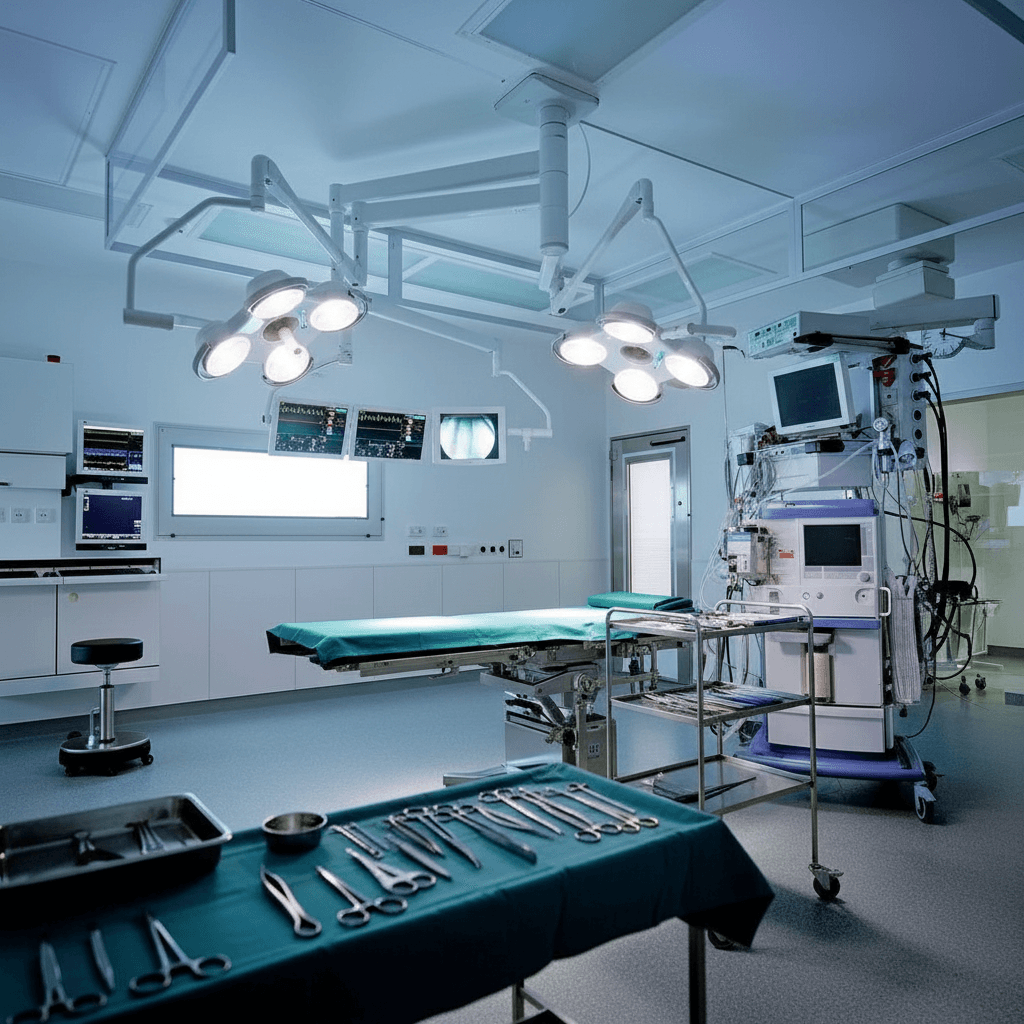
In edentulous patients with severe maxillary resorption combined with significant sinus pneumatisation, zygomatic implants allow immediate implant-supported rehabilitation without bone grafting — avoiding 6 to 12 months of healing and significant surgical morbidity.
In edentulous patients presenting severe maxillary resorption combined with significant sinus pneumatisation (Cawood & Howell class V or VI), conventional implant options require extensive bone grafting — bilateral sinus lifts, onlay apposition grafts — with 6 to 12-month healing periods and significant post-operative morbidity. Zygomatic implants (ZIs) and pterygoid implants constitute a highly complex surgical alternative that allows circumvention of these anatomical limitations and offers immediate loading implant-supported rehabilitation.
1. Zygomatic Bone Anatomy: The Foundation of Planning
The zygomatic bone (or malar bone) is a compact, dense bone with low resorption susceptibility, forming the cheekbone and zygomatic arch. It provides an ideal quality osseous anchor for long implants (35 to 55 mm). Its bone density (D1–D2) guarantees excellent primary stability. The zygomatic implant travels from the maxillary tuberosity (prosthetic emergence point in the upper molar zone) to the body of the zygomatic bone (apical anchor point), traversing the maxillary sinus at various angulations along its path. The pre-operative CBCT must systematically measure: available zygomatic volume (malar body height and width), orbital relationship, optimal sinus trajectory and palatal or vestibular emergence distance.
2. Classifications and Approaches: Four Documented Techniques
| Technique | Implant trajectory | Advantages | Disadvantages | Preferred indication |
|---|---|---|---|---|
| Original Brånemark technique (1998) | Trans-sinus — complete sinus crossing | Well-documented original procedure | Sinus risk, palatal emergence | Normal-volume sinus |
| ZAGA-0 technique (Aparicio 2011) | Extra-sinus — along lateral wall | Preserves sinus, vestibular emergence | More demanding technique | Pneumatised sinus/lateral atrophy |
| ZAGA-1 to ZAGA-4 techniques | Mixed per individual anatomy | Adapted to each morphology | Complex classification, learning curve | Varied anatomical cases |
| Slot technique (Maló 2008) | Partially intra-sinus + fenestration | Good primary stability | Sinus wall morbidity | Residual crestal bone volume |
3. Pterygoid Implants: Anchoring in the Pterygoid Process
Pterygoid implants (or pterygomaxillary implants) anchor their apex in the pterygoid process of the sphenoid bone and in the pterygoid-palatine suture — a zone of dense cortical bone (D1–D2) preserved even in severe maxillary resorptions. They are positioned in the region of the upper second molar, with an angulation of 35–45° relative to the occlusal plane. Their primary interest is to replace the distal posterior implants of the All-on-4/6 protocol in cases where the maxillary sinus is too pneumatised to allow a conventional sinus lift or conventional tilting. A well-positioned pterygoid implant achieves primary stability comparable to that of a conventional implant in D2-quality bone, with 5-year survival rates of 94.2 to 97.8% across recent studies.
4. Quad Zygoma Protocol: Four Zygomatic Implants Without Anterior Implants
In cases of extreme maxillary resorption (Cawood & Howell class VI) with no residual bone in the anterior zone, the Quad Zygoma protocol — 4 bilateral zygomatic implants with no conventional implants — represents the ultimate rescue solution. Described by Aparicio in 2010, it has been validated by several prospective series exceeding 5 years. A meta-analysis published in the Journal of Oral and Maxillofacial Surgery (2024) on 1,247 zygomatic implants (348 Quad Zygoma patients, mean follow-up 6.2 years) documents: implant survival 96.4%, prosthetic survival 98.1%, sinus complications (chronic sinusitis, oro-antral communication) 11.4% — the main complication to monitor and treat medically or surgically.
5. Specific Complications and Prevention
- Chronic sinusitis (8–14%): prevention by extended antibiotic prophylaxis (14 days), perioperative corticosteroids, daily saline nasal irrigation. Treatment: antifungals if fungal component, endoscopic sinus surgery (FESS) in refractory cases
- Oro-antral communication (1–3%): management by rotation flap or provisional obturator — most often closes spontaneously in 4–6 weeks if the sinus is healthy
- Orbital injury (< 0.5%): rare but serious complication — requires intraoperative CBCT or dynamic navigation for at-risk anatomies (narrow malar bone, low orbit)
- Transient infraorbital paraesthesia (3–7%): spontaneous resolution within 4–12 weeks in 95% of cases
- Osseointegration failure (3.6% — 2024 meta-analysis): risk factors: smoking, uncontrolled diabetes, trans-sinus technique in infected sinus
6. Indications, Contraindications and Required Training
Zygomatic and pterygoid implants are advanced implant surgery procedures requiring specific training. The EAO (European Association for Osseointegration) and ITI recommend a minimum 2 to 3-day training programme on simulators and dry skulls, followed by a clinical mentoring phase (5 to 10 supervised cases) before independent practice. Absolute contraindications include: active maxillary sinusitis, zygomatic or orbital neoplasm, severe uncontrolled coagulation disorder. Relative contraindications: smoking > 20 cigarettes/day, diabetes HbA1c > 9%, local irradiation < 12 months. In Tunisia, several university centres (CHU Tunis, CHU Sfax, CHU Monastir) are progressively integrating these techniques into their advanced surgical offering.
Editorial note
This article is written for scientific and professional monitoring purposes. The studies cited are drawn from peer-reviewed publications. Infinity Aligner does not endorse the results of third-party studies and recommends that professionals consult the original publications for any clinical application.
Infinity Aligner — Scientific team
Technology watch & dental literature review
More analyses
Mar 2026
Photobiomodulation (LLLT) and Bone Healing in Implantology: Clinical Evidence, Dosimetry Protocols and 2024 Post-surgical Applications
Mar 2026
Osteodensification and Bone Condensation in Implantology: Versah Technique, Condensation Osteotomes and Bone Quality Improvement Protocols in D3–D4 Bone
Mar 2026
Peri-Implantitis: Diagnosis, Implant Surface Decontamination and Surgical Bone Regeneration — Evidence-Based Protocols 2024
Integrate innovation into your practice
Join the Infinity Aligner network and access the most advanced digital tools for your patients.
Become a partner