The hidden dangers of metal braces: what patients need to know
Demineralisation, mucosal trauma, periodontal risks: metal braces carry serious complications that patients are often unaware of. A comprehensive overview.
Metal braces remain the most widely used orthodontic tool in the world. Yet their use carries a set of documented medical risks that patients are not always informed about before starting treatment. This article reviews the main clinical complications associated with conventional fixed appliances.
1. Enamel demineralisation: permanent white spots
One of the most common — and least discussed — complications is enamel demineralisation, clinically known as "white spot lesions." These spots appear around metal brackets due to the accumulation of bacterial plaque in areas that are difficult to clean. Plaque produces acids that progressively dissolve minerals from the enamel, leaving opaque, whitish and rough areas on the tooth surface.
- Estimated prevalence of 38 to 72% of patients wearing braces (Cochrane meta-analysis)
- Lesions appear as early as 4 to 8 weeks after bracket placement
- Some stains are permanent and require remineralisation or aesthetic restoration
- Molars and canines are the most exposed
2. Mucosal trauma and oral ulcerations
Metal brackets, arches and ligatures cause repeated mechanical friction against the oral mucosa — the cheeks, lips and tongue. These microtraumas give rise to canker sores, ulcerations and areas of chronic irritation that make chewing painful and diminish daily quality of life, sometimes throughout the entire duration of treatment (12 to 24 months on average).
Contrary to popular belief, these pains do not "go away with time" for all patients: 30% of fixed appliance wearers report persistent mucosal discomfort throughout treatment, according to orthodontic literature.
3. Periodontal risks: gums and alveolar bone at risk
Fixed appliances create ecological niches favourable to the proliferation of periodontopathogenic bacteria. The accumulation of plaque and tartar around brackets leads to gingival inflammation (gingivitis), which can progress to periodontitis if pre-existing periodontal health is compromised. Studies show a significant increase in gingival pocket depth in orthodontic patients wearing metal braces.
- 80% increase in gingival bleeding in the first 3 months of wear
- Gingival hyperplasia (abnormal gum growth) possible around brackets
- Risk of permanent gingival recession if therapy is not rigorously monitored
- Patients with active periodontal disease: conventional orthodontic treatment contraindicated
4. Allergic reactions to nickel and chromium
The metal alloys used in conventional brackets contain nickel (8 to 12%) and chromium. Nickel allergy is the most common contact dermatitis in Europe and North Africa, affecting approximately 12% of the female population and 2% of the male population. An allergy not detected before placement can manifest as oral ulcerations, peri-oral skin rashes, swelling and uncontrollable chronic inflammation.
5. Risks related to accidental bracket debonding
Bracket debonding is a common complication in fixed orthodontics — it is estimated that between 5 and 20% of brackets detach during a standard treatment. Each debonding interrupts the orthodontic mechanism, delays treatment and exposes the tooth surface to the risk of enamel fracture during rebonding. If accidentally swallowed, small metal components can in rare cases pose a risk to the airways of young patients.
What clear aligners change
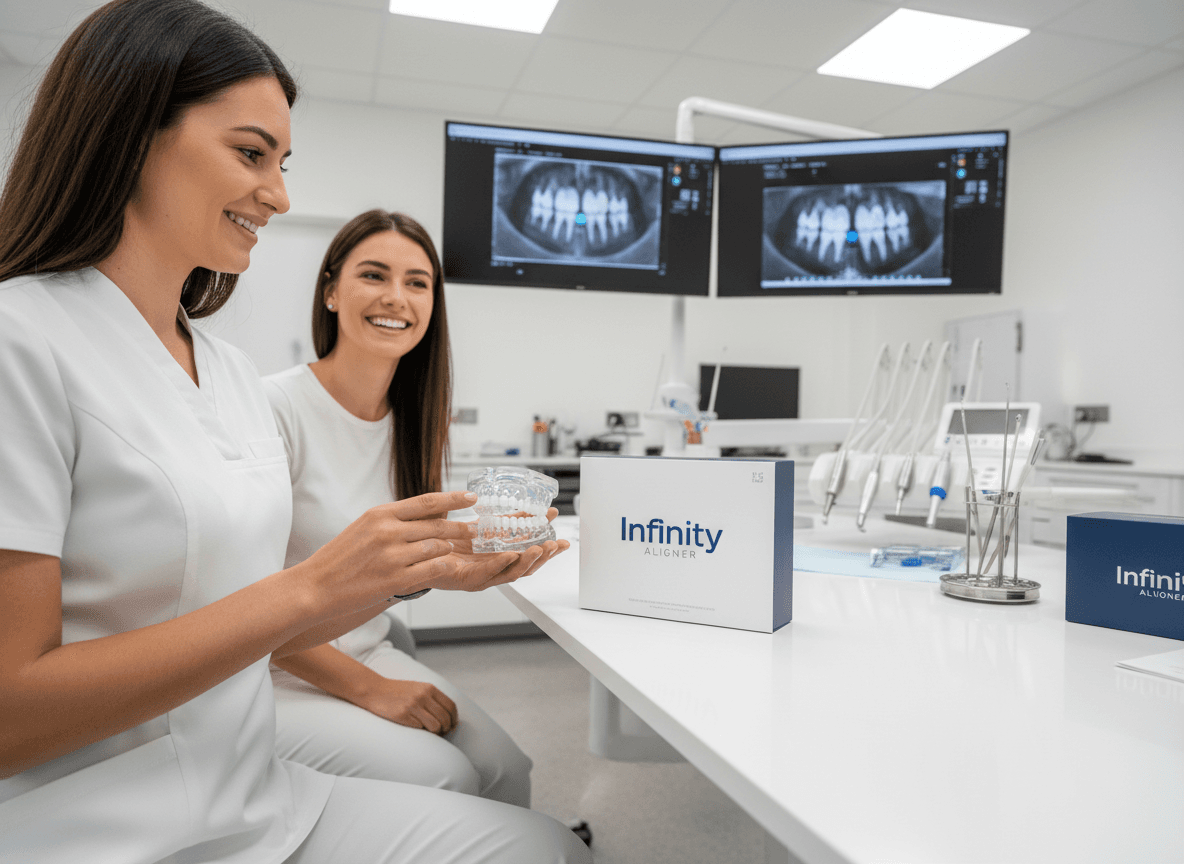
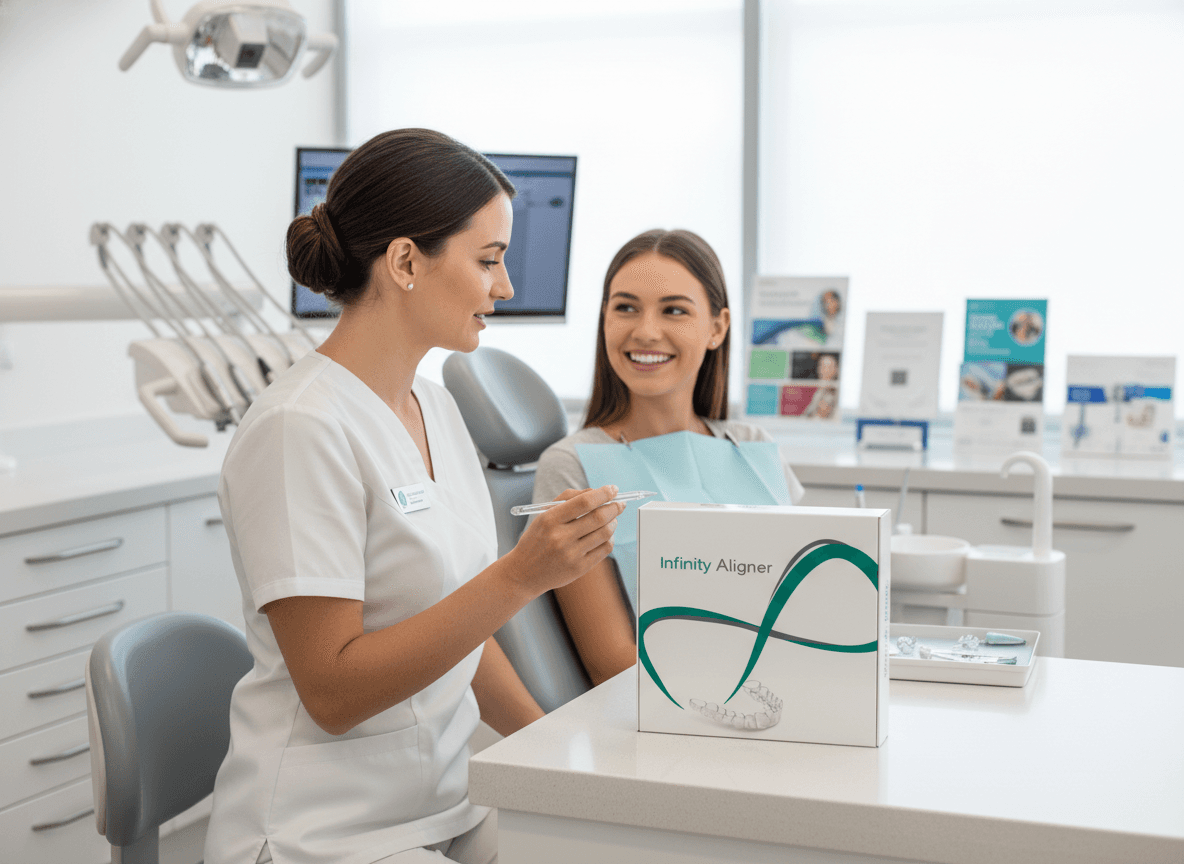
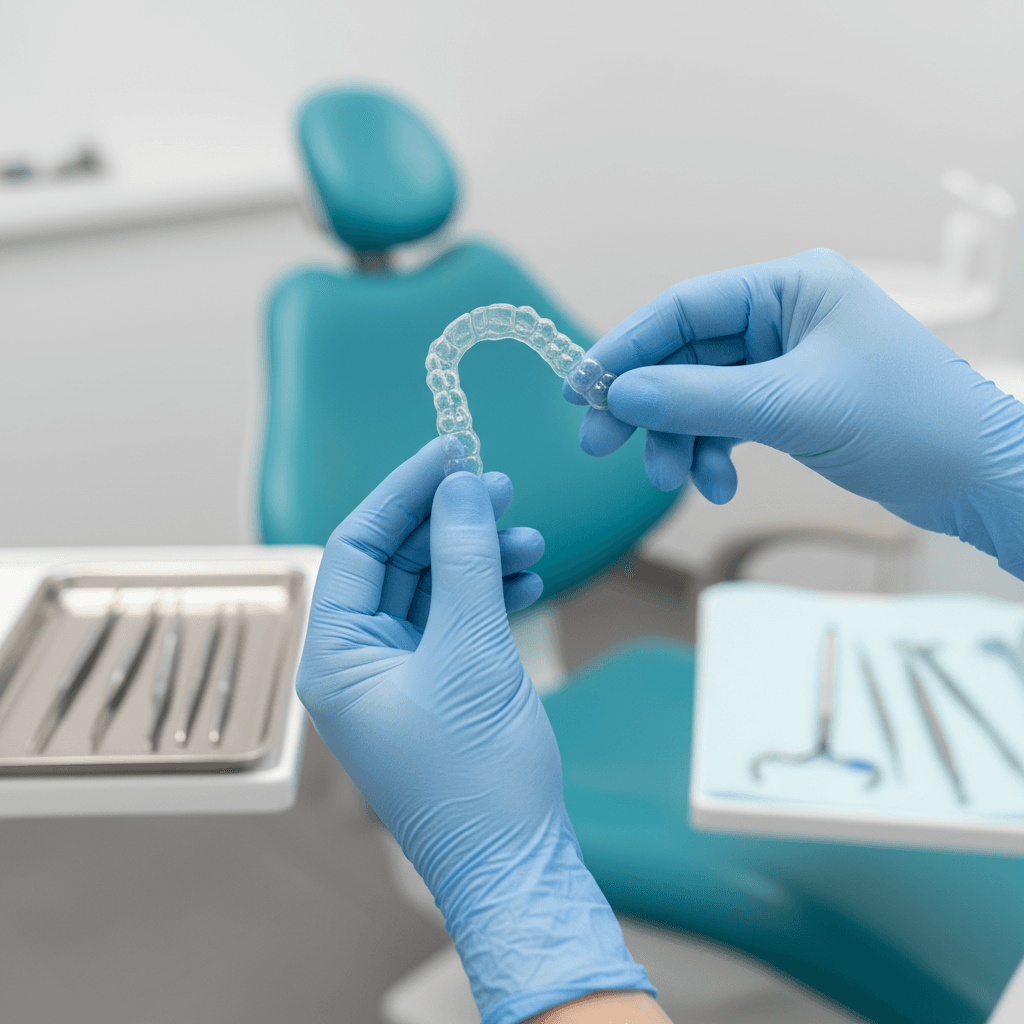
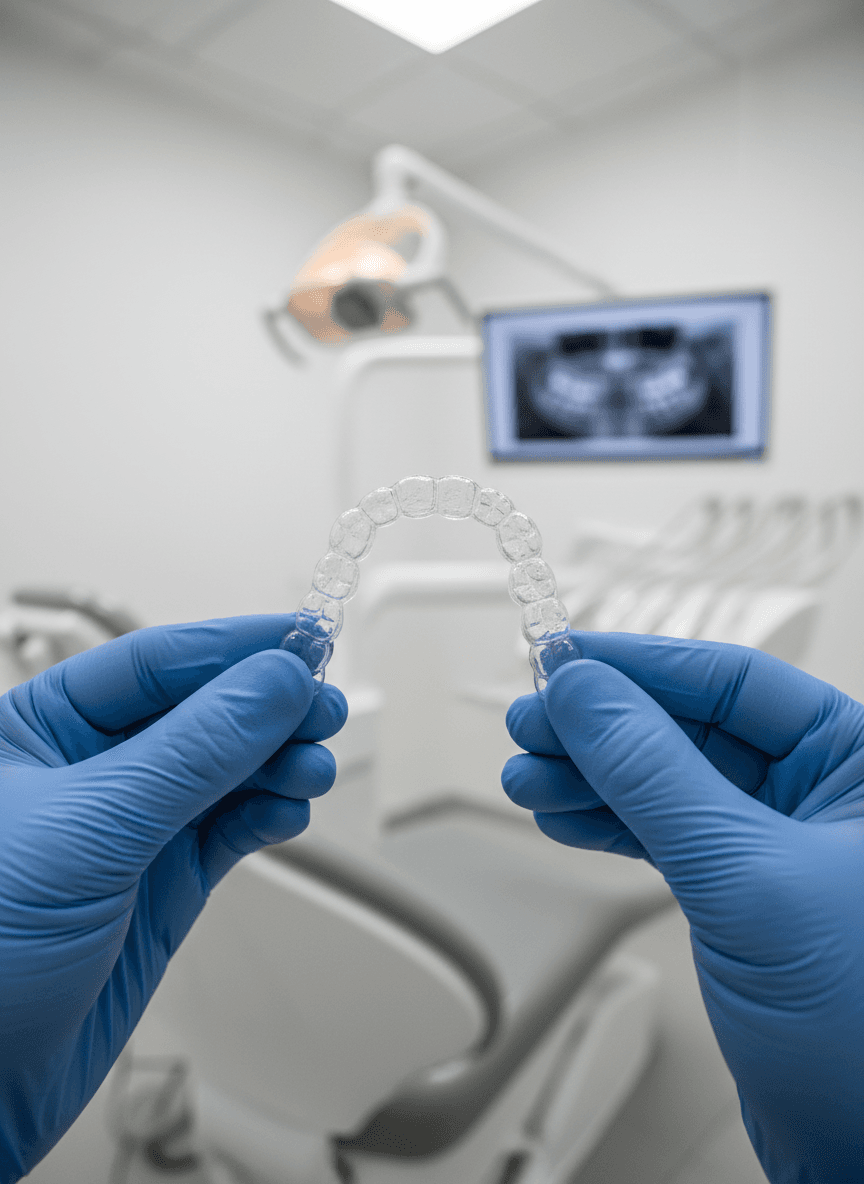
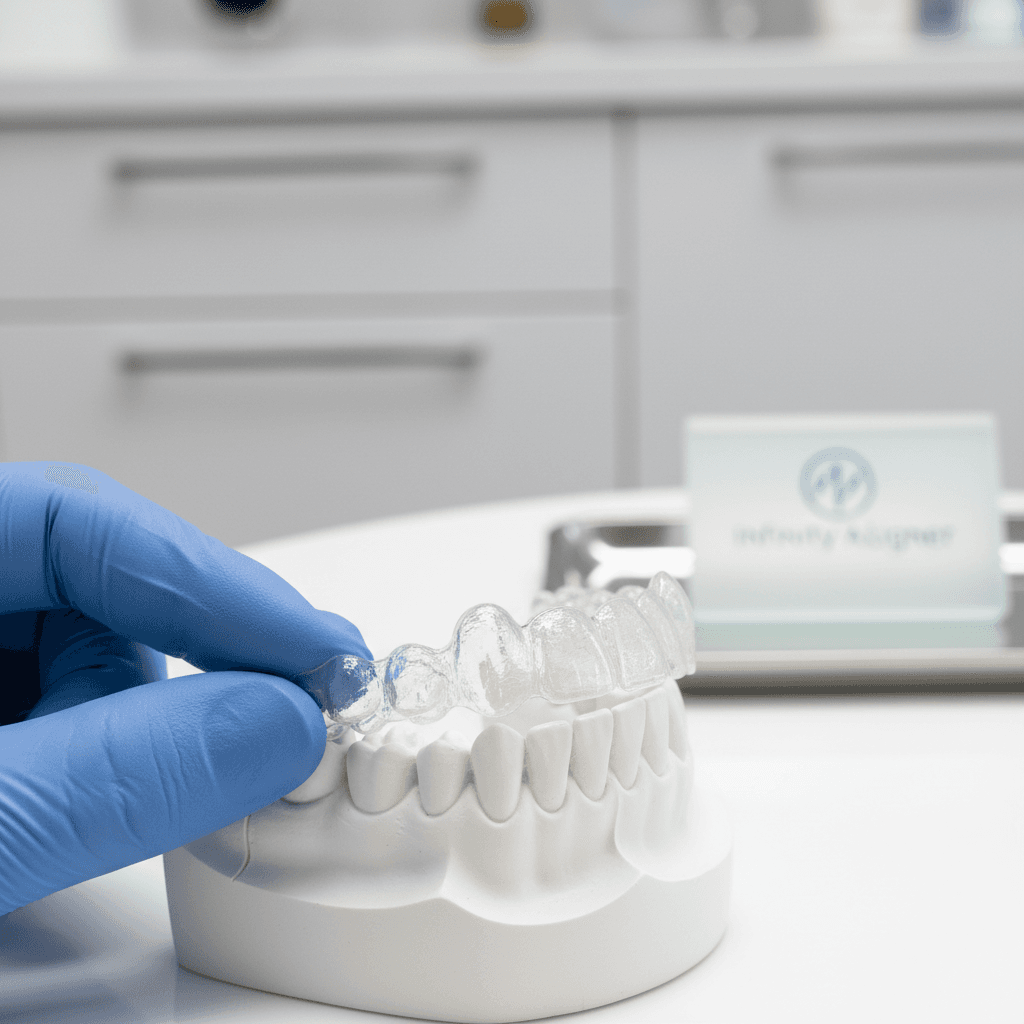
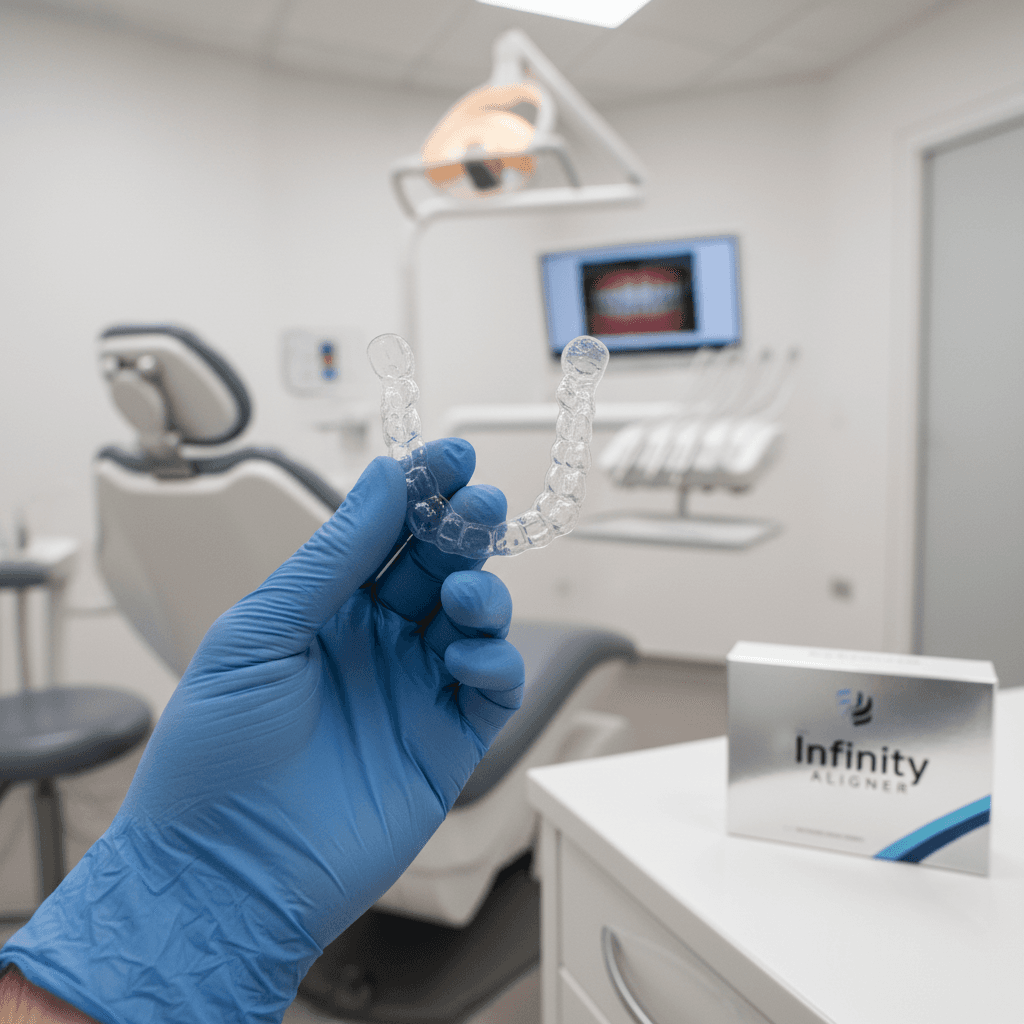
Clear aligners — such as those developed by Infinity Aligner — eliminate or drastically reduce all of these complications. The absence of brackets removes plaque niches and mucosal trauma. The removability of the trays allows normal brushing and flossing, reducing the caries risk to a level comparable to patients without treatment. Medical thermoplastic materials contain no nickel or chromium. Precise digital monitoring minimises unplanned movements. This is why a growing number of certified orthodontists direct eligible patients towards this alternative.
Conclusion
Metal braces are not without risk. Demineralisation, trauma, periodontal complications and allergies represent real medical risks. If your clinical case allows it, ask your dentist to present alternatives — particularly certified clear aligners — before initiating conventional orthodontic treatment.
Infinity Aligner
Clinical & editorial team
More articles
How to Choose Clear Aligners in Tunisia
Clear Aligners vs Braces: Complete Comparison
How Much Do Clear Aligners Cost in Tunisia?
How Long Does Clear Aligner Treatment Take?
How to Clean and Care for Your Clear Aligners Daily

Clear Aligners for Teenagers: What Parents Need to Know
Gap Teeth & Diastema: Can Clear Aligners Fix Them?
Can You Play Sports with Clear Aligners?
3D Smile Simulation: How It Works and What to Expect

Orthodontic Relapse: Why Teeth Move After Treatment
Intraoral Scanner vs Traditional Impressions: What's the Difference?

Clear Aligners for Adults: Is It Ever Too Late?
Wisdom Teeth and Clear Aligners: Are They Compatible?

Clear Aligners: A Versatile Therapeutic Approach in Orthodontics
Orthodontics and Periodontal Health: What Every Patient Needs to Know
The Technology Behind Clear Aligners: From Design to Tray
How to Prepare for Your Orthodontic Consultation: 10 Questions to Ask
Bruxism and Clear Aligners: Can You Correct and Protect at the Same Time?

Class II Malocclusion and Clear Aligners: What Treatment Options Exist?
Clear Aligners and Dental Implants: Protocol, Timing and Clinical Cases
Digital Workflow and Aligner Biomechanics: The Advanced Practitioner Protocol
The Limits of Clear Aligners: Identifying Complex Cases Beyond Their Reach
Aligner Manufacturing: Thermoforming, 3D Printing and Polymer Science
Invisible Orthodontics in 2030: Predictive AI, Direct Printing and Active Materials

Smile Without Borders: The Price of Aligners Between Tunisia, Europe and Canada
Attachments in Invisible Orthodontics: The Silent Levers of Biomechanics

The Smile Beyond the Mirror: The Profound Impact of Dental Alignment on Psychological Well-being
Tunisia: The New Eldorado of Digital Dentistry and Medical Tourism
Post-Orthodontic Retention: The Forgotten Step That Decides Everything
What You Can (and Cannot) Eat With Clear Aligners
Teeth Whitening and Clear Aligners: Can You Treat and Whiten at the Same Time?
TMJ and Clear Aligners: How Invisible Orthodontics Acts on Jaw Pain
The Different Types of Dental Retainer: A Complete Guide After Orthodontic Treatment
Root resorption: the silent risk of poorly managed orthodontic treatments

Orthodontics and cavities: how metal braces compromise dental hygiene

Orthodontic relapse: why teeth return to their original position
Braces and chronic pain: the underestimated impact on daily quality of life
Intraoral scanner vs conventional impressions: dimensional analysis and clinical implications
CAD/CAM digital workflow in orthodontics: from intraoral scanning to aligner fabrication
Deformation, shrinkage and cumulative errors: why the conventional impression chain compromises aligner precision
Intraoral Scanners 2025: Complete Technical and Metrological Comparison
Why Choose Infinity Aligner? The Complete Guide for Dental Practitioners
Composite Selection for Aligner Attachments: Mechanical Analysis and Clinical Protocol
TMJ and Malocclusion: Differential Diagnosis and Clinical Approach for the Practitioner
Travelling with Clear Aligners: The Complete Guide for Stress-Free Trips
The First Month with Aligners: What to Expect Week by Week
Pre-Prosthetic Orthodontics: Preparing the Site Before Implants or Veneers
Consult a certified dentist
Our 200+ certified partners in Tunis, Sfax, Sousse and the francophone zone welcome you.
Book a consultation