The Technology Behind Clear Aligners: From Design to Tray
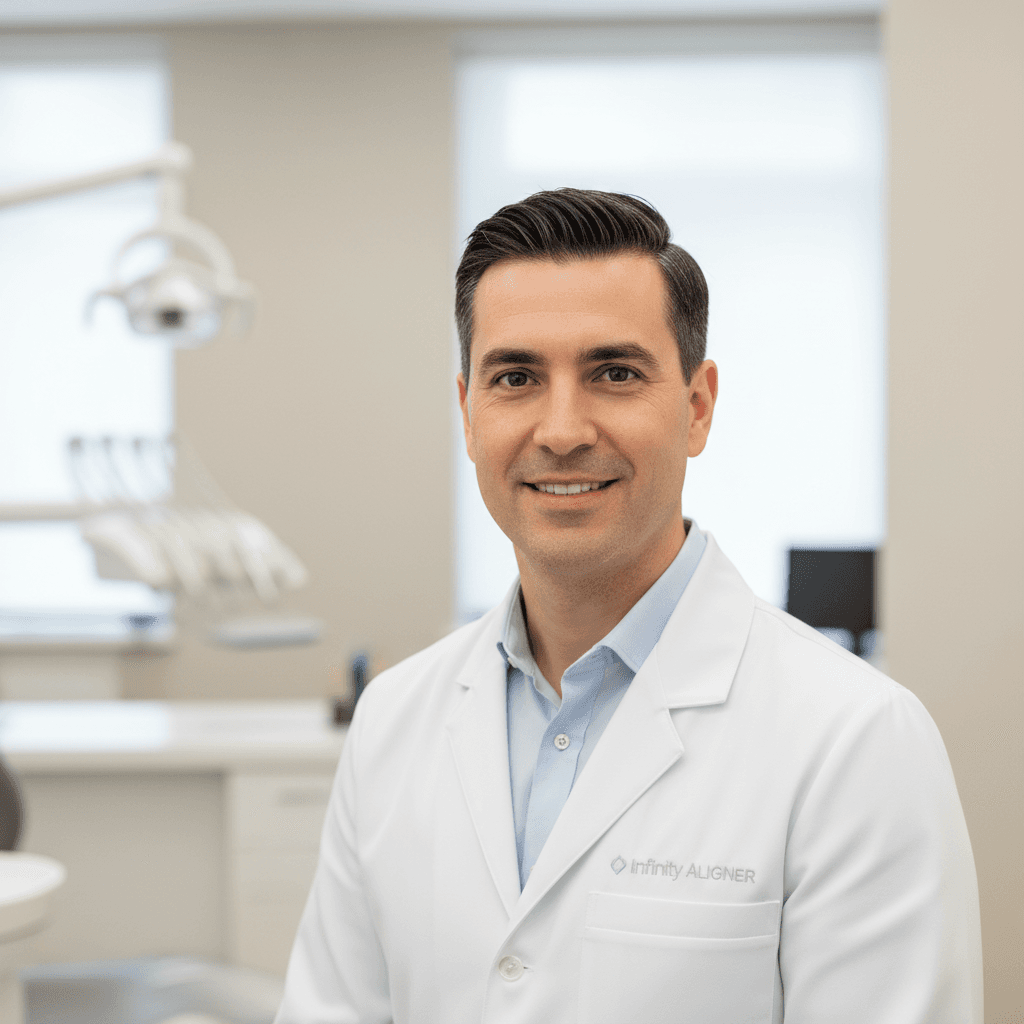
How are clear aligners made? 3D printing, medical thermoplastics, planning software: the Infinity Aligner technology explained.
A clear aligner may look simple at first glance — a thin transparent tray moulded to your teeth. In reality, each tray is the result of a high-precision manufacturing process combining artificial intelligence, 3D printing and cutting-edge biomedical materials. Here is a behind-the-scenes look at this technology.
Step 1: digital capture with the intraoral scanner
Everything begins in the dental practice, with an intraoral scanner that captures the exact geometry of your teeth and gums in just a few minutes. The result is an STL file — a 3D model with precision in the range of 20 to 50 microns. This file is instantly transmitted to Infinity Aligner laboratories via a secure platform.
Step 2: software-assisted planning
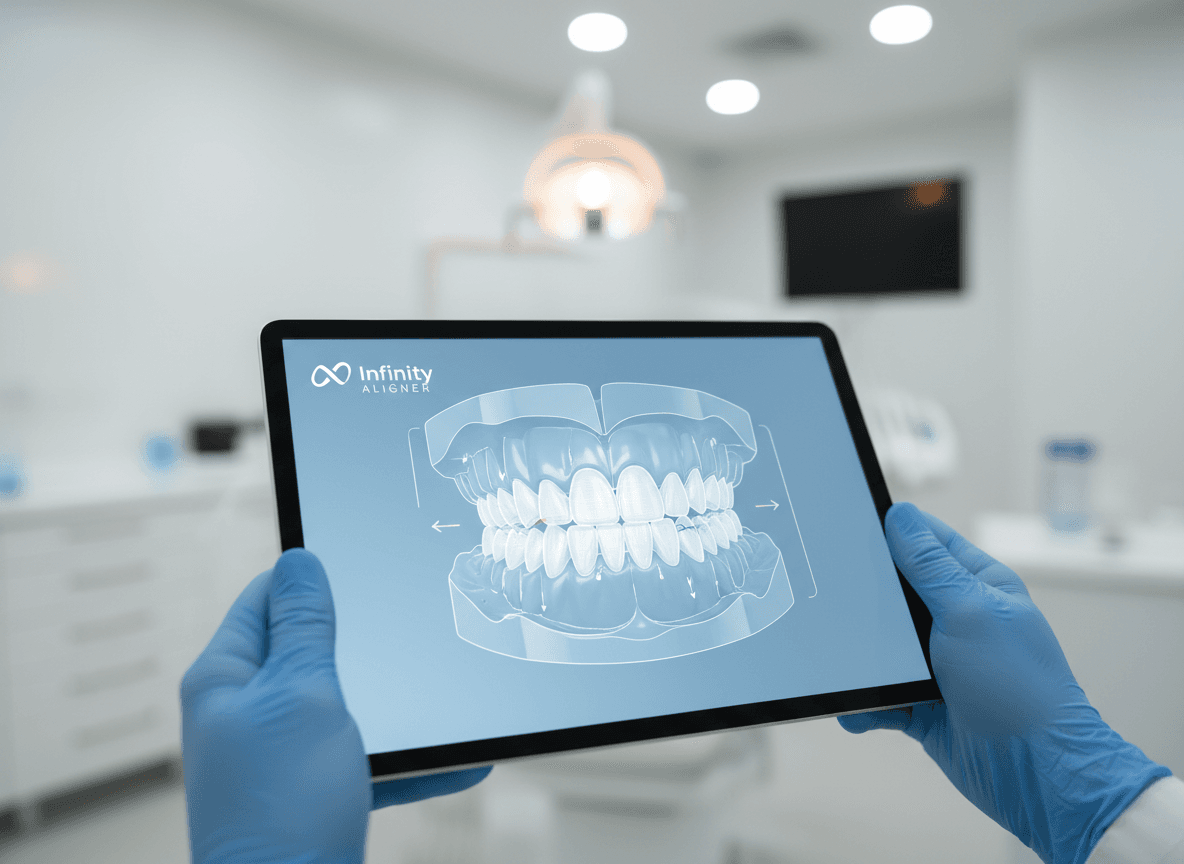
Orthodontic technicians use specialised software to individually segment each tooth on the 3D model and plan every movement to a tenth of a millimetre. The software automatically generates a sequence of intermediate positions — one per aligner — respecting the biological limits of tooth movement. The practitioner validates or adjusts the plan before launching production.
Step 3: 3D printing of models
Each planned intermediate position is 3D printed as a physical jaw model. Infinity Aligner uses high-resolution photopolymer resin printers (XY resolution < 50 microns) to ensure maximum fidelity between the virtual and physical model. These printers can produce dozens of models simultaneously.
Step 4: thermoforming of medical-grade plastic
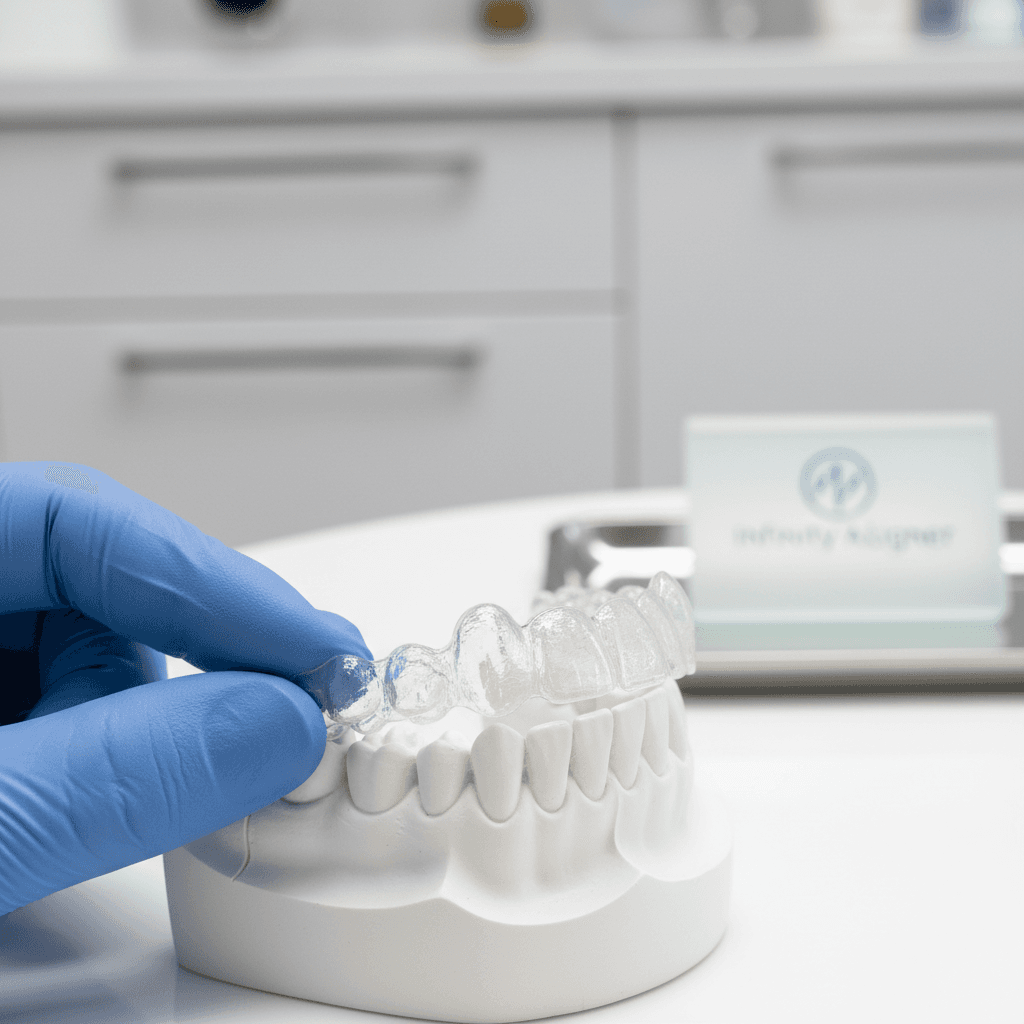
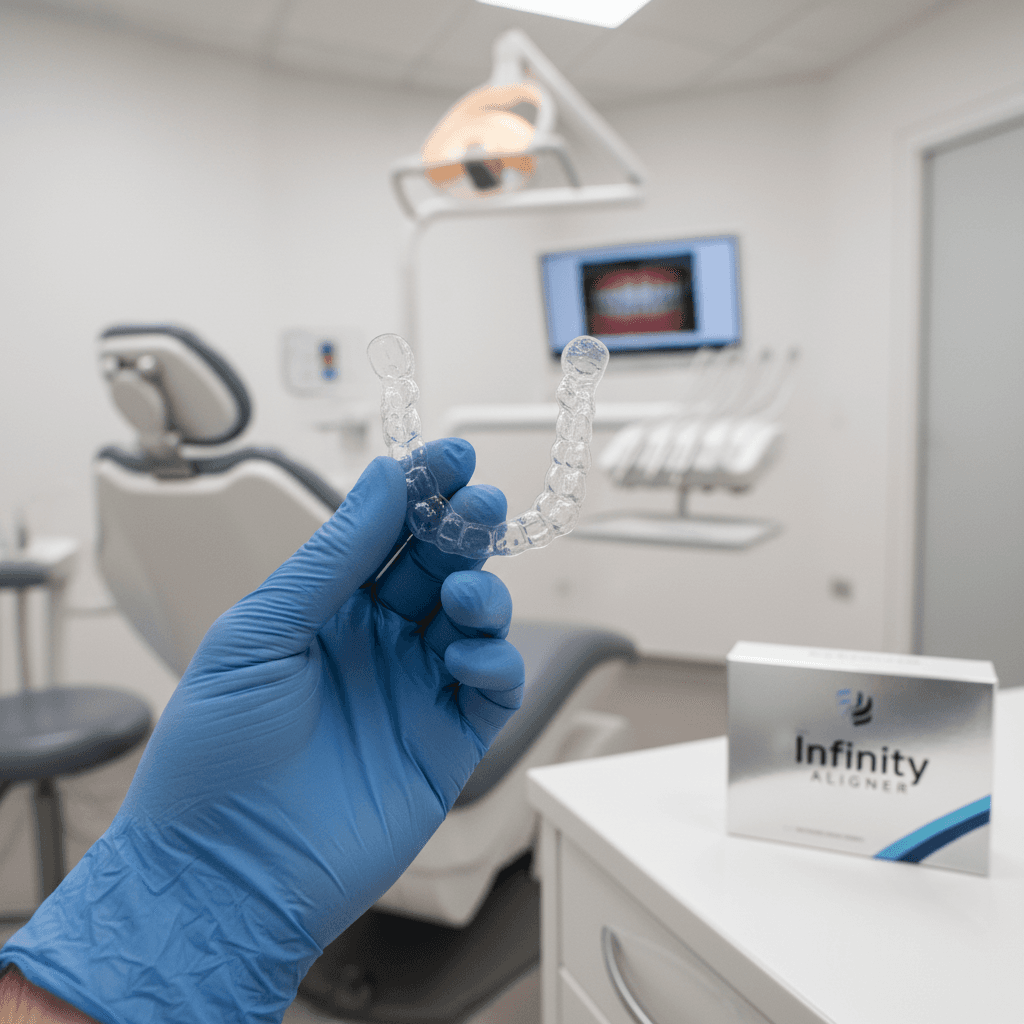
Over each printed model, a sheet of medical-grade thermoplastic is heated then vacuum-pressed to perfectly conform to the model's shape. The material used — typically medical-grade polyurethane or glycolised polyethylene terephthalate (PETG) — is BPA-free, FDA and CE certified, and offers the perfect balance between rigidity (to exert effective forces) and elasticity (to facilitate placement and removal).
Step 5: cutting, polishing and quality control
Each thermoformed tray is precisely cut at the gum line by a CNC machine, then its edges are polished to eliminate any roughness and maximise gingival comfort. Each piece is then visually and dimensionally inspected before being cleaned, sterilised and individually packaged.
Conclusion
The orthodontic tray you wear is the result of a complete technological chain, combining digital precision, materials chemistry and clinical expertise. It is this manufacturing rigour that guarantees the effectiveness and safety of your Infinity Aligner treatment.
Infinity Aligner
Clinical & editorial team
More articles

How to Choose Clear Aligners in Tunisia
Clear Aligners vs Braces: Complete Comparison

How Much Do Clear Aligners Cost in Tunisia?
How Long Does Clear Aligner Treatment Take?
How to Clean and Care for Your Clear Aligners Daily

Clear Aligners for Teenagers: What Parents Need to Know
Gap Teeth & Diastema: Can Clear Aligners Fix Them?
Can You Play Sports with Clear Aligners?

3D Smile Simulation: How It Works and What to Expect

Orthodontic Relapse: Why Teeth Move After Treatment
Intraoral Scanner vs Traditional Impressions: What's the Difference?

Clear Aligners for Adults: Is It Ever Too Late?
Wisdom Teeth and Clear Aligners: Are They Compatible?

Clear Aligners: A Versatile Therapeutic Approach in Orthodontics

Orthodontics and Periodontal Health: What Every Patient Needs to Know

How to Prepare for Your Orthodontic Consultation: 10 Questions to Ask
Bruxism and Clear Aligners: Can You Correct and Protect at the Same Time?

Class II Malocclusion and Clear Aligners: What Treatment Options Exist?
Clear Aligners and Dental Implants: Protocol, Timing and Clinical Cases

Digital Workflow and Aligner Biomechanics: The Advanced Practitioner Protocol

The Limits of Clear Aligners: Identifying Complex Cases Beyond Their Reach
Aligner Manufacturing: Thermoforming, 3D Printing and Polymer Science
Invisible Orthodontics in 2030: Predictive AI, Direct Printing and Active Materials
Smile Without Borders: The Price of Aligners Between Tunisia, Europe and Canada

Attachments in Invisible Orthodontics: The Silent Levers of Biomechanics

The Smile Beyond the Mirror: The Profound Impact of Dental Alignment on Psychological Well-being
Tunisia: The New Eldorado of Digital Dentistry and Medical Tourism
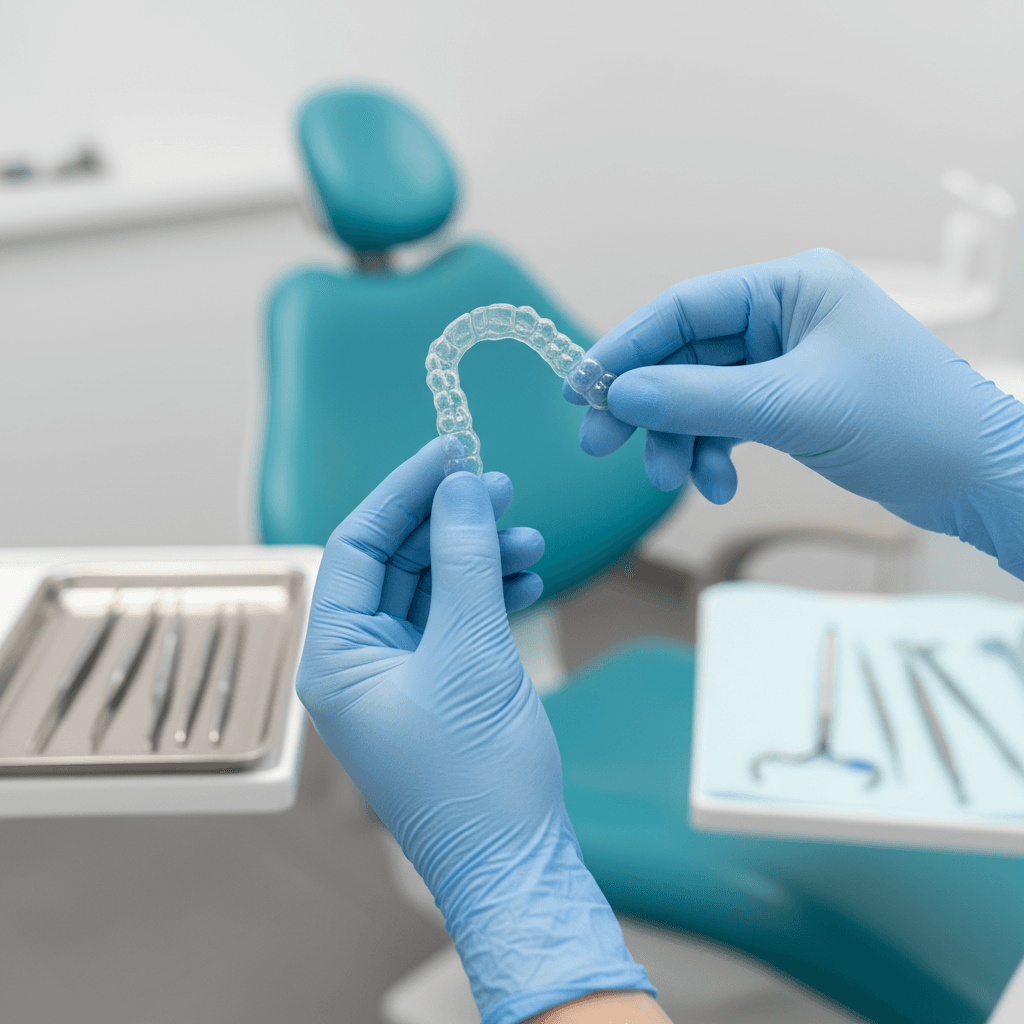
Post-Orthodontic Retention: The Forgotten Step That Decides Everything
What You Can (and Cannot) Eat With Clear Aligners
Teeth Whitening and Clear Aligners: Can You Treat and Whiten at the Same Time?
TMJ and Clear Aligners: How Invisible Orthodontics Acts on Jaw Pain
The Different Types of Dental Retainer: A Complete Guide After Orthodontic Treatment
The hidden dangers of metal braces: what patients need to know
Root resorption: the silent risk of poorly managed orthodontic treatments

Orthodontics and cavities: how metal braces compromise dental hygiene

Orthodontic relapse: why teeth return to their original position

Braces and chronic pain: the underestimated impact on daily quality of life
Intraoral scanner vs conventional impressions: dimensional analysis and clinical implications
CAD/CAM digital workflow in orthodontics: from intraoral scanning to aligner fabrication
Deformation, shrinkage and cumulative errors: why the conventional impression chain compromises aligner precision
Intraoral Scanners 2025: Complete Technical and Metrological Comparison
Why Choose Infinity Aligner? The Complete Guide for Dental Practitioners
Composite Selection for Aligner Attachments: Mechanical Analysis and Clinical Protocol
TMJ and Malocclusion: Differential Diagnosis and Clinical Approach for the Practitioner
Travelling with Clear Aligners: The Complete Guide for Stress-Free Trips
The First Month with Aligners: What to Expect Week by Week
Pre-Prosthetic Orthodontics: Preparing the Site Before Implants or Veneers
Consult a certified dentist
Our 200+ certified partners in Tunis, Sfax, Sousse and the francophone zone welcome you.
Book a consultation